The History of Music: The Sound That Carried Humanity Through Time
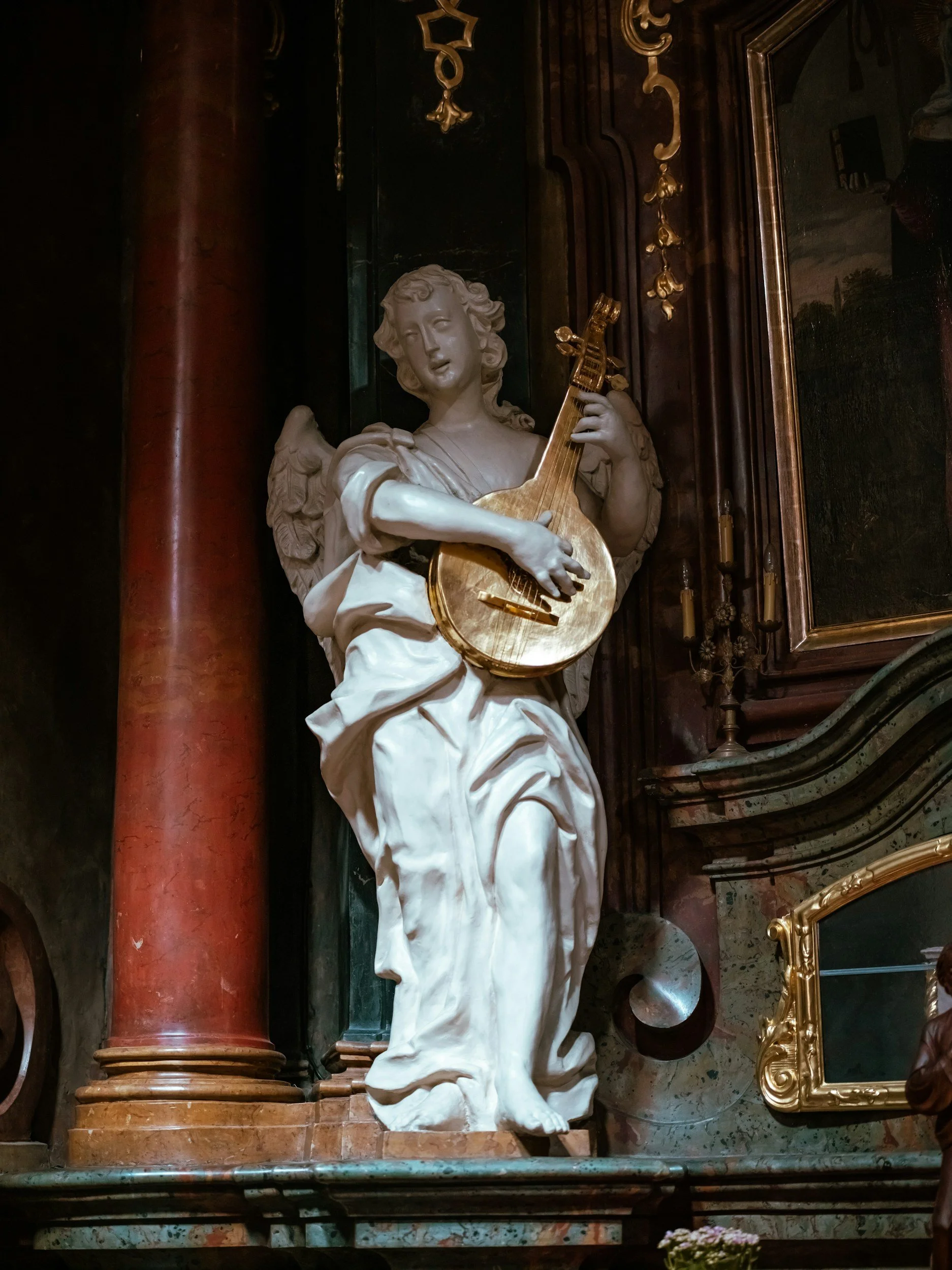
Music is one of the oldest languages of the human soul.
Before people wrote books, recorded histories, or built formal temples, there was sound. There was the voice. There was breath. There was rhythm. There was the heartbeat, the cry, the hum, the chant, the clap of hands, the stomp of feet, the echo of something felt before it could ever be explained.
Music did not begin as entertainment. It began as expression. It began as a way for human beings to reach beyond themselves — toward one another, toward nature, toward memory, toward God..
Long before civilization became what we recognize today, people were already shaping sound into meaning. Some of the oldest known instruments are flutes made from bone and ivory, dating back tens of thousands of years. That tells us something powerful: music was not an accessory to human life. It was part of human life from the beginning.
At its earliest, music may have formed from the simplest and most natural sounds. A mother soothing a child. A community chanting together. Feet moving in rhythm. Hands striking stone, wood, or skin. A voice calling across distance. A person imitating birds, wind, water, or animals. The world itself was full of music before humans ever named it.
A heartbeat is rhythm.
Breathing is rhythm.
Walking is rhythm.
Grief has a sound.
Joy has a sound.
Love has a sound.
In this way, music was born from the body and from the earth. It came from the way human beings felt life moving through them.
Across cultures, music became one of the first ways people carried meaning. Before many could read or write, songs helped preserve stories, prayers, traditions, warnings, family history, and sacred memory. A song could travel farther than ordinary speech because it stayed in the mind. Melody made memory easier to hold.
This is why so many ancient cultures used music in ceremony. Music was present at births, weddings, funerals, harvests, battles, and worship. It helped people mark the important moments of life. It gave shape to the invisible.
In sacred spaces, music became prayer. Chants, drums, flutes, harps, bells, and hymns were used to reach toward God, the gods, the spirits, or the unseen forces of life. Music helped people enter a deeper state of awareness. It softened the mind and opened the heart. It made worship feel less like spoken language and more like surrender.
In mourning, music gave grief somewhere to go. A lament could hold sorrow when words were not enough. A funeral song could carry love beyond death. Even today, certain songs can return us instantly to someone we lost, as if the melody itself kept a doorway open.
In work, music created unity. People sang while farming, rowing, building, marching, grinding grain, and traveling. Rhythm helped bodies move together. It made labor bearable. It turned effort into something shared.
In war, music carried power. Drums, horns, trumpets, and chants were used to signal, command, strengthen courage, or announce danger. Sound could gather people, warn people, or stir something fierce within them.
In love, music became one of the most beautiful forms of devotion. A love song is more than words placed to melody. It is a feeling preserved. It is a letter written in sound. It carries longing, desire, tenderness, memory, and hope. Throughout time, lovers have used music to say what ordinary language could not fully hold.
Every culture shaped music in its own way.
In African traditions, rhythm, drums, dance, and call-and-response became deeply woven into community life. Music was not separate from living; it belonged to ceremony, celebration, grief, work, and spiritual expression.
In Native American traditions, music often connects to ceremony, healing, creation stories, and the spirit world. Songs may carry sacred meaning, ancestral memory, and relationship with the natural world.
In ancient Egypt, music was part of temple life, royal life, festivals, mourning, and beauty. Harps, flutes, lyres, and percussion appear in ancient art, showing how deeply music belonged to both the sacred and the everyday.
In ancient Greece, music was tied to poetry, theatre, philosophy, and the soul. The Greeks believed music had the power to shape emotion and character.
In India, music became deeply spiritual and precise, with ragas connected to mood, time, devotion, and cosmic order.
In China, music was connected to harmony, ritual, balance, and the order of society. Sound was seen as more than pleasure; it reflected the relationship between human life and the universe.
In Europe, music moved through church chant, folk song, troubadour love poetry, classical composition, opera, symphony, gospel, blues, jazz, rock, and modern popular song. Each era added its own voice, yet the purpose remained familiar: to express what human beings carry inside.
The beauty of music is that it belongs to everyone, yet it also becomes deeply personal. A song can belong to a culture, a generation, a family, or one private memory. The same melody may make one person dance and another person cry.
That is because music reaches the body before the mind can explain it. It does not ask permission. It enters through sound and finds the places where memory lives.
A song can bring back childhood.
A song can return us to a room.
A song can remind us of someone’s face.
A song can reopen grief.
A song can awaken love.
A song can make the past feel present again.
This is why music is so closely tied to nostalgia. It carries time. It holds pieces of who we were, who we loved, what we survived, and what we once dreamed. Sometimes a song finds us before we even know we needed to be found.
Music is not only heard. It is felt.
It moves through the nervous system, the memory, the heart, and the spirit. It can calm us, excite us, soften us, strengthen us, and bring us back to ourselves. It can make a room full of strangers feel connected. It can make one person sitting alone feel less alone.
Throughout history, music has been used for worship, storytelling, healing, celebration, mourning, work, war, romance, and remembrance. It has formed cultures, carried traditions, and preserved emotions that might otherwise have disappeared.
In the simplest sense, music began as human sound shaped by feeling.
Then it became rhythm.
Then chant.
Then instrument.
Then ritual.
Then story.
Then culture.
Then art.
Then memory.
And perhaps the reason music still reaches us so deeply is because it was never created only for the ear. It was created for the soul, the body, the tribe, the beloved, the grieving, the worshipper, the child, and the part of us that remembers what words cannot hold.
Music is the sound of humanity carrying itself through time.