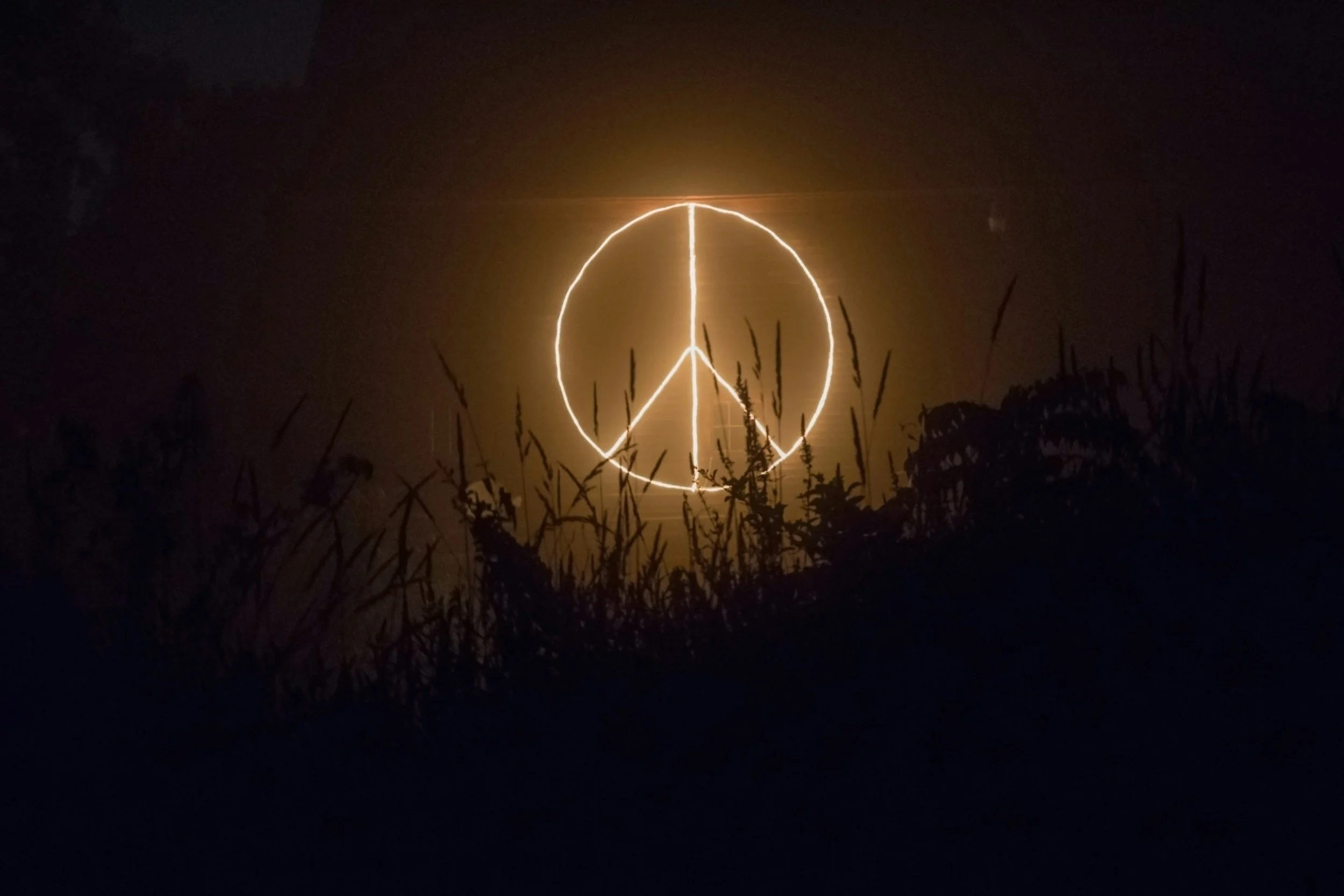
PEACE & Love
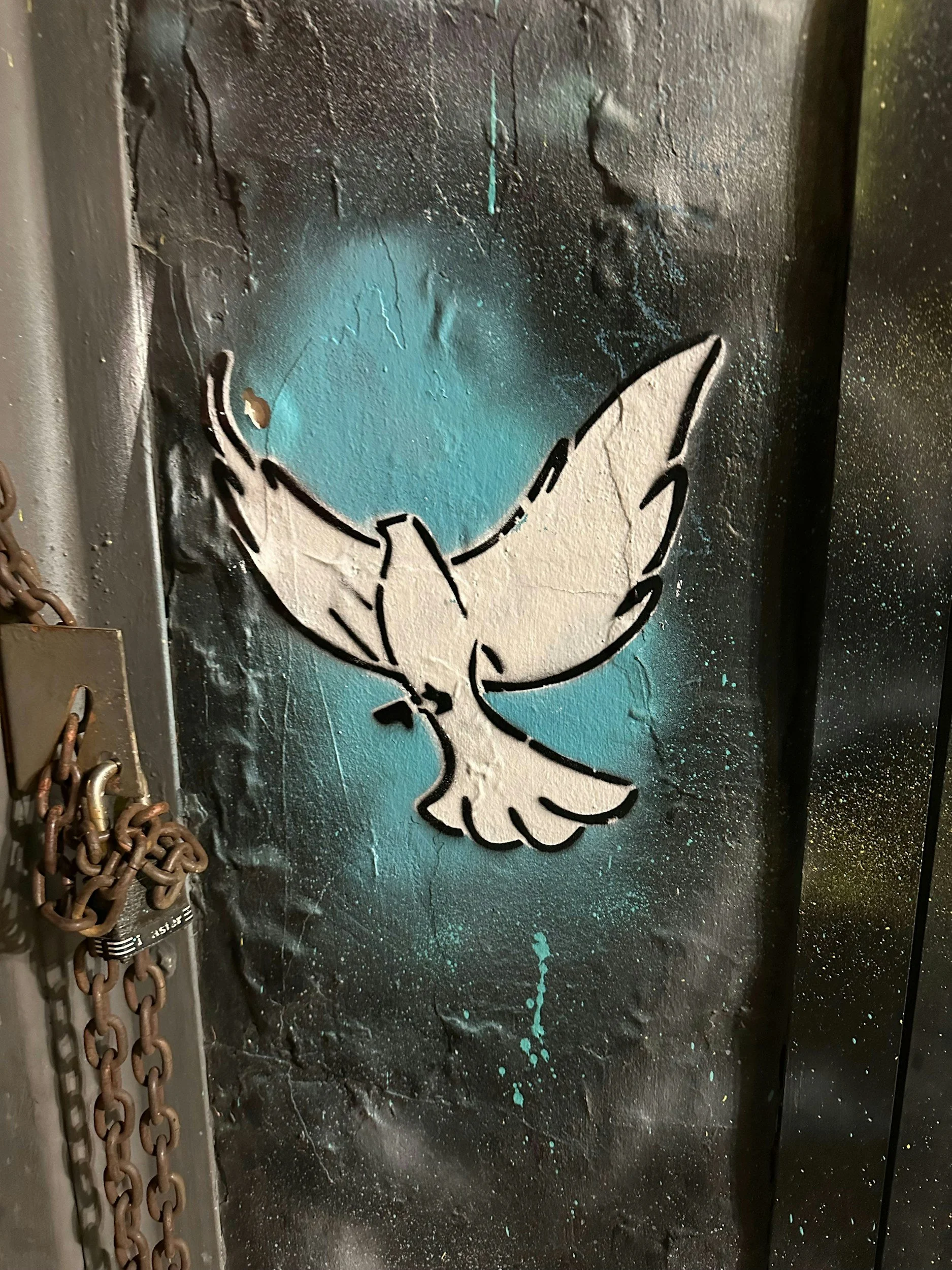
Peace and love—
are these the ways of the world as it is lived,
or the echo of a dream we once knew how to hold?
They arrive to us as words first,
simple, worn smooth by repetition.
But lived honestly,
they are anything but simple.
Peace is not the absence of conflict.
It is the refusal to become it.
Peace is not stillness without disturbance.
It is the decision to remain porous
when the world insists on armor.
Love is not a feeling.
It is a direction.
Love is not warmth alone.
It is a posture.
The world does not lack peace and love.
It lacks the patience they require.
Peace asks for stillness.
Love asks for risk.
A way of turning toward life
without the guarantee of safety.
We search for them in history,
as if they belonged to another age—
a gentler time,
before urgency learned to speak louder than meaning.
Yet perhaps peace and love were never meant
to be conditions of the world.
Perhaps they were always conditions of the self.
The question is not
whether peace and love belong to the world.
The question is
whether we still do.
They appear briefly—
in restraint,
in listening without conquest,
in the courage to stay open
when closing would be easier.
If they feel forgotten,
it may be because they cannot survive abstraction.
They require bodies.
They require risk.
They require choice.
Peace does not announce itself.
Love does not defend its own existence.
Both move quietly,
recognizable only to those
willing to slow enough to notice.
So we ask the wrong question
when we ask if peace and love still exist.
The truer question may be:
are we still willing
to live in ways that allow them to pass through us?